





How to Leverage AI in Your Business Strategy

Unlocking Success: How to Leverage AI in Your Business Strategy
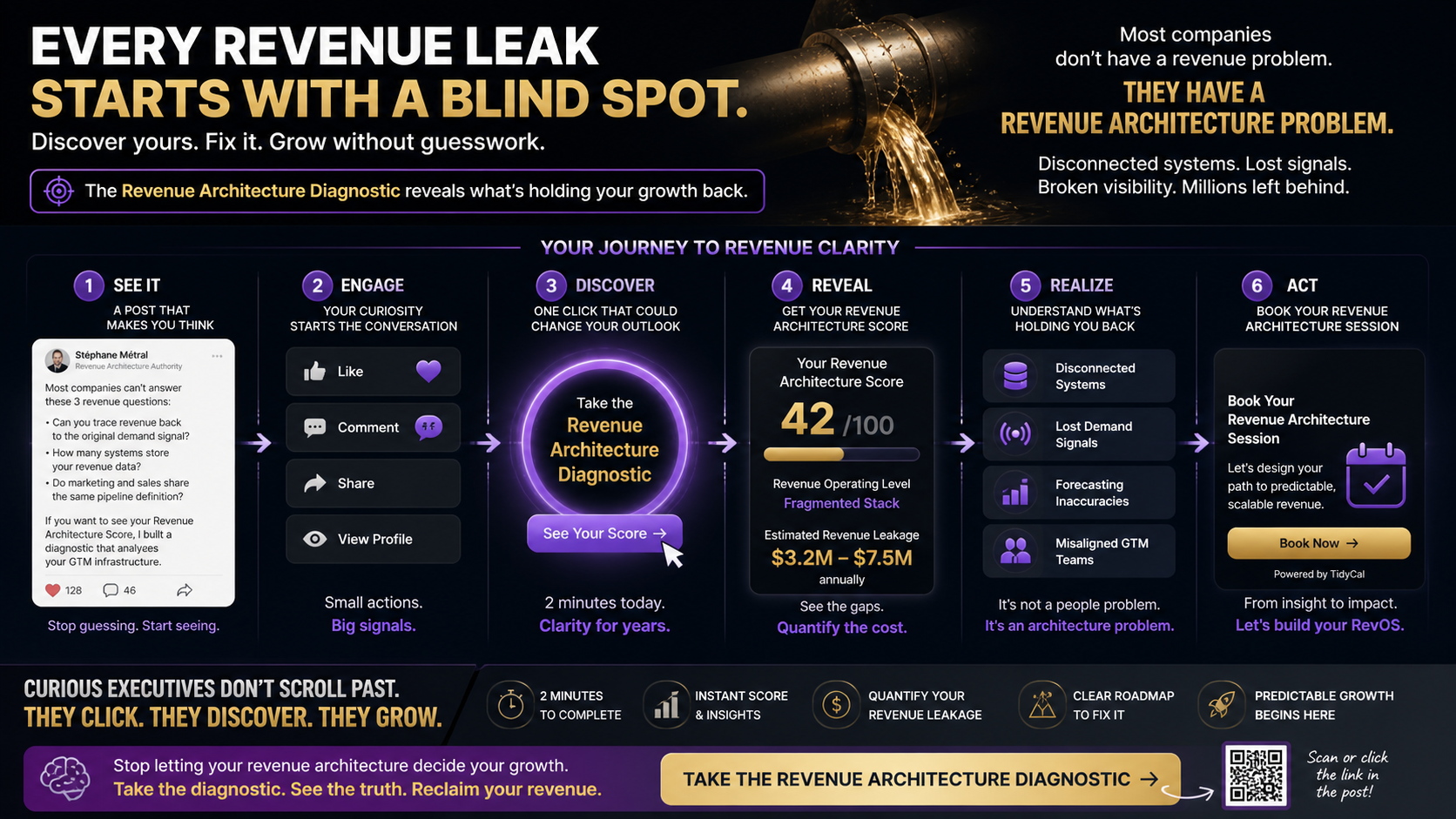
Many organizations are busy, but not necessarily moving in the right direction. Artificial Intelligence (AI) is no longer a distant concept; it is a practical way to remove friction, support better decisions, and create a more predictable path to growth.
Imagine equipping your team with a digital partner that helps you see where to focus, reduces repetitive work, and surfaces patterns you might otherwise miss. In this article, we explore how to integrate AI into your business strategy in a way that is structured, measurable, and aligned with your existing strengths.
Why AI Matters for Your Business
AI is most effective when it is treated as part of your operating system, not just an isolated tool. Used thoughtfully, it can improve decision quality, enhance customer experience, and increase operational efficiency, without overwhelming your team.
Enhanced decision-making
Use real-time data, not guesswork, to guide strategic choices and resource allocation.
- Predictive customer insights Anticipate client needs and behaviors so you can design offers, content, and outreach that feel timely rather than intrusive.
- Smarter resource planning Use signals and trends to decide where to invest time, budget, and attention, instead of relying solely on intuition or legacy reports.
Improved customer experience
Offer support and recommendations that feel tailored, consistent, and reliably on time.
- AI-assisted support Provide responsive, around-the-clock assistance for common questions, while freeing your team to focus on complex, high-value interactions.
- Personalized journeys Tailor messages, offers, and content based on behavior and preferences, so customers experience your brand as attentive rather than generic.
Increased operational efficiency
Automate repeatable tasks so your team can focus on strategic initiatives and meaningful client work.
- Reduced manual effort Automate data entry, routing, and follow-up so that important actions do not depend on memory or manual checklists.
- Faster, more reliable delivery Use AI to streamline workflows such as onboarding, fulfillment, and reporting, reducing delays and errors.
How to Implement AI in Your Business Strategy
Step 1: Assess where AI can genuinely help
A practical AI strategy starts with clarity. Rather than asking, “Which tools should we buy?” begin with, “Where are we losing time, energy, or opportunity today?”
- Customer service High inquiry volumes, repetitive questions, or long response times may indicate that AI can support your team without compromising quality.
- Marketing and sales If campaigns, outreach, and follow-up are inconsistent, AI can help with segmentation, prioritization, and timing.
Step 2: Select AI capabilities that match your goals
Once you understand where you would like to reduce friction, choose AI capabilities that align with your objectives and existing systems. The goal is to support your strategy, not to replace it.
- Natural language processing Analyze conversations, documents, and customer feedback to surface themes, risks, and opportunities that are difficult to see manually.
- Predictive analytics Forecast demand, identify emerging patterns, and guide resource planning with models that learn from your actual data.
Step 3: Train and support your team
AI is most effective when your team understands how it works and how it supports their responsibilities. Clear enablement reduces resistance and increases the quality of outcomes.
- Structured onboarding Provide concise, role-specific training that shows how AI supports daily work and decision making.
- Practical playbooks Document simple workflows so team members know when to rely on AI, when to override it, and how to escalate exceptions.
Step 4: Monitor, refine, and govern
AI is not a one-time implementation. Continuous monitoring and responsible governance ensure that your systems remain accurate, ethical, and aligned with your objectives.
- Key performance indicators Track metrics such as response times, conversion rates, customer satisfaction, and operational efficiency to understand impact.
- Feedback loops and guardrails Collect qualitative feedback from customers and internal teams, and define clear rules around data use, consent, and oversight.
The AI Advantage: Your Competitive Edge
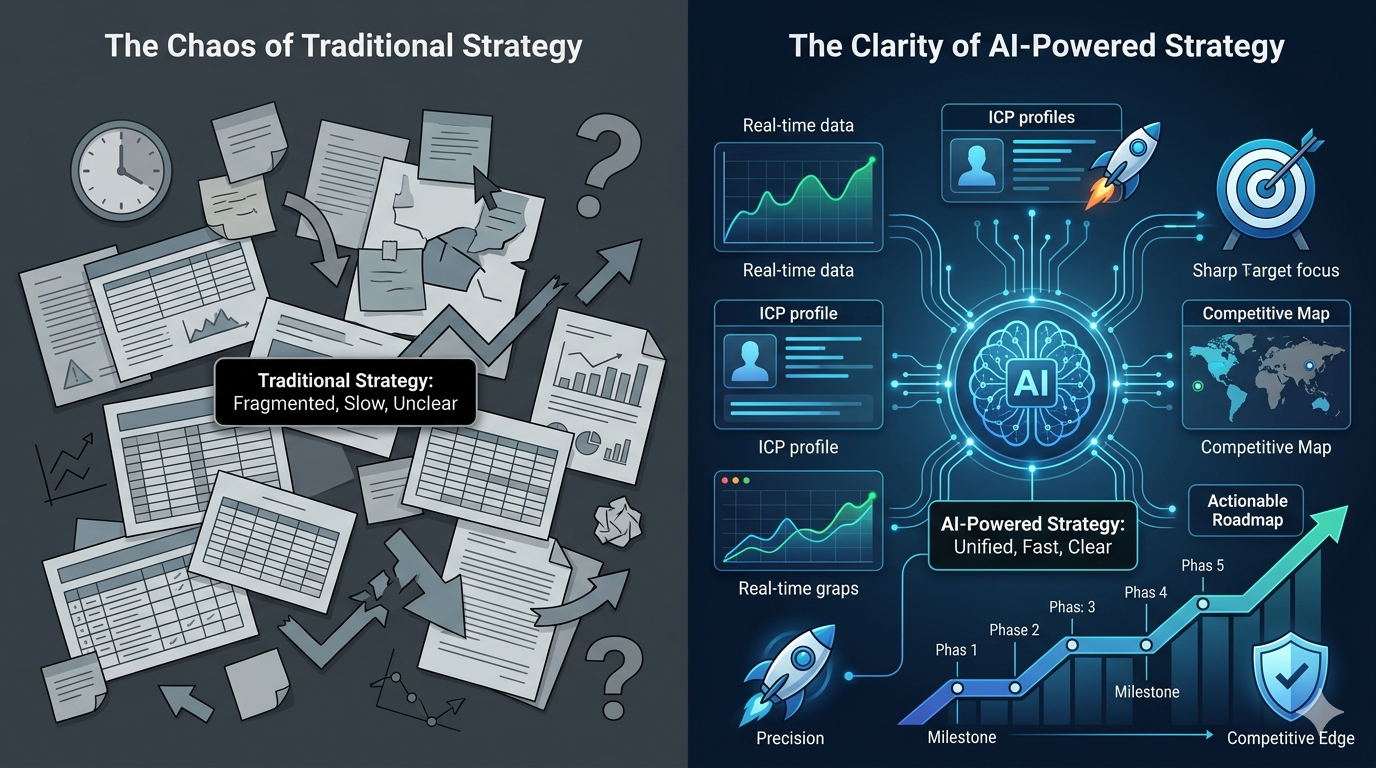
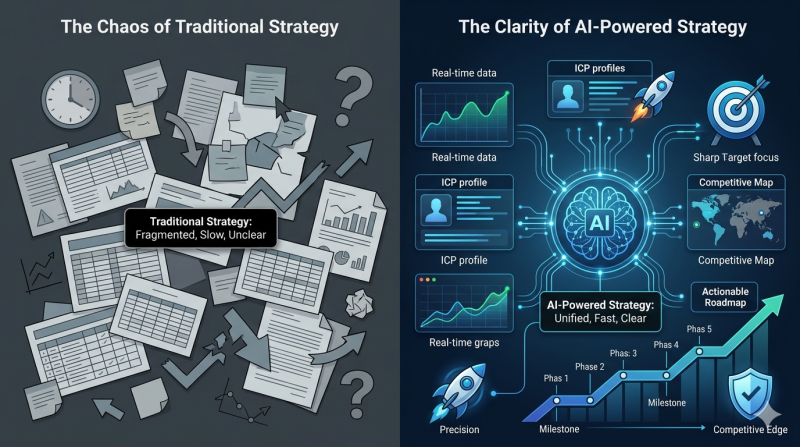
Integrating AI into your business strategy is now a core component of staying relevant. It is not about replacing human judgment; it is about creating the conditions where your team can think clearly, act decisively, and focus on the work that matters most.
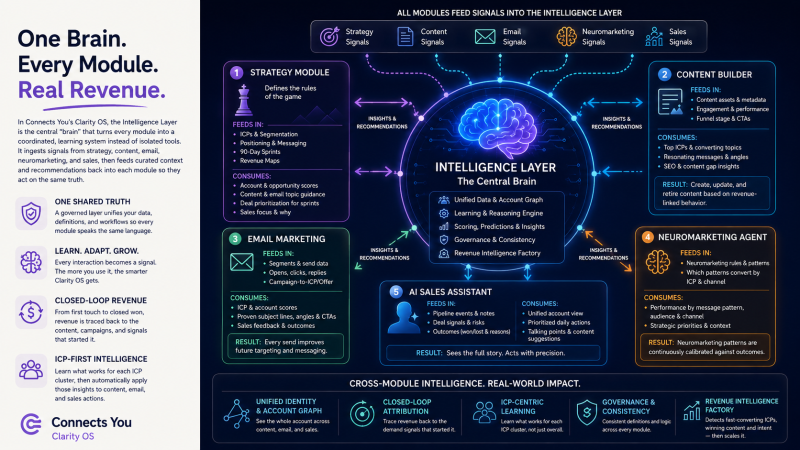
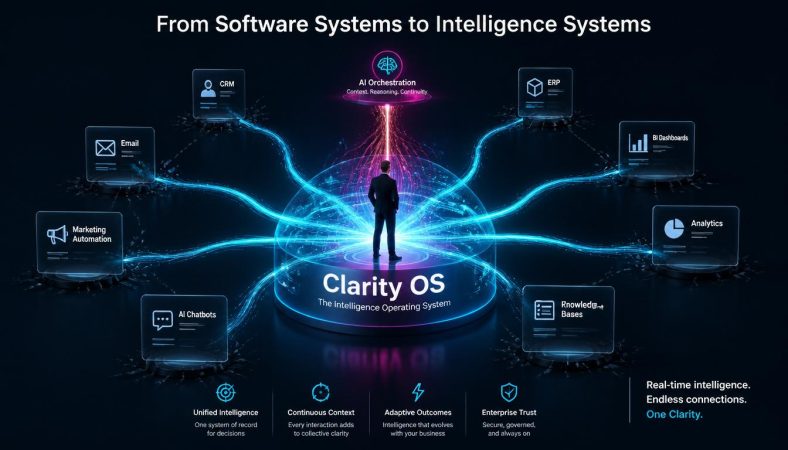
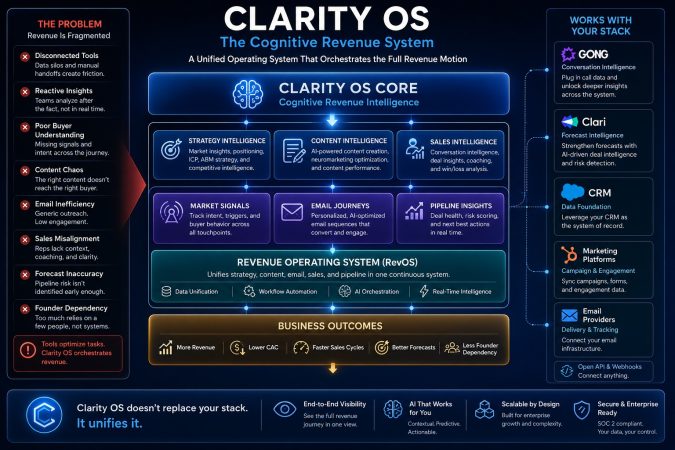
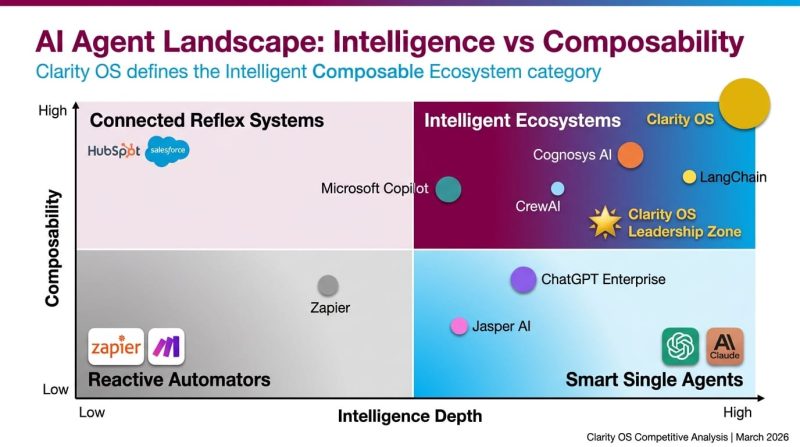
When AI is embedded within a governed operating system, you gain more than isolated wins. You create a continuous feedback loop where strategy, content, email, and revenue systems learn from each other. Over time, this compounds into a genuine strategic advantage.
Your Next Step: See Where You Stand
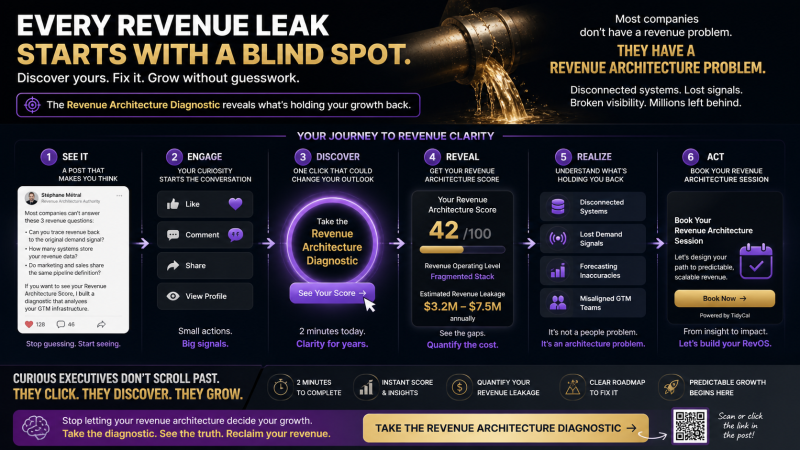
If you would like to understand how ready your current way of working is for an AI-powered Growth Operating System, a brief diagnostic can provide a clear starting point.
The 2‑Minute Clarity OS Fit Survey gives you a concise snapshot of your growth readiness and recommends the Clarity OS tier that best fits your stage, team, and level of complexity.
You will see your results immediately. Use them as a benchmark for internal discussions, or as a first step toward a more governed, AI-supported growth system.