




#001 The Principle of Shared Understanding
●
THE CLARITY PRINCIPLES
Why Most Founders Lose Deals Before They Even Start
If people can’t explain what you do, they probably won’t recommend you. And yet most founders cannot articulate their business in a way anyone else can repeat.
Here is a story about two rooms, two versions of the same business, and why one closed deals while the other closed laptops.
The Story
I remember when I owned a business network and listened to hundreds of entrepreneurs introduce themselves in sixty seconds. Week after week. Year after year. Same room. Same audience. Radically different outcome.
The difference? One founder had clarity. The other had complexity dressed as sophistication.
Check out the full story below to see why — and what it costs you every day you leave this unfixed.
📄 The Full Story — Swipe Through
“Complexity is not a sign of intelligence. Clarity is.”
The cost of muddy messaging is invisible but enormous. It does not show up as a line item on your P&L. It shows up as the deals that stalled, the referrals that never came, the prospects who nodded and then “circled back” and vanished.
When your team describes what you do differently than your website does — and your website says something different from your sales deck — the prospect does not think “I need to research this company more.” They think “I do not trust this company.” And they move on.
THE CLARITY CHECK
Could a stranger explain your business in one clear sentence — after hearing it once?
If the answer is no — or if you are not sure — you are paying the clarity tax every single day. In lost referrals. In confused prospects. In sales conversations that go nowhere.
💡 CLARITY INSIGHT
The gap between what you believe your business communicates and what your market actually receives is the single most expensive gap in your organization. It costs more than bad ads. It costs more than a weak pipeline. Because it makes everything else you do — every campaign, every outreach, every demo — less effective before it even starts.
One Source of Truth. Everywhere.
Margaret’s story diagnoses the problem: muddy messaging kills referrals and stalls deals. But here is the part most founders miss — the problem is not just what you say. It is where it lives.
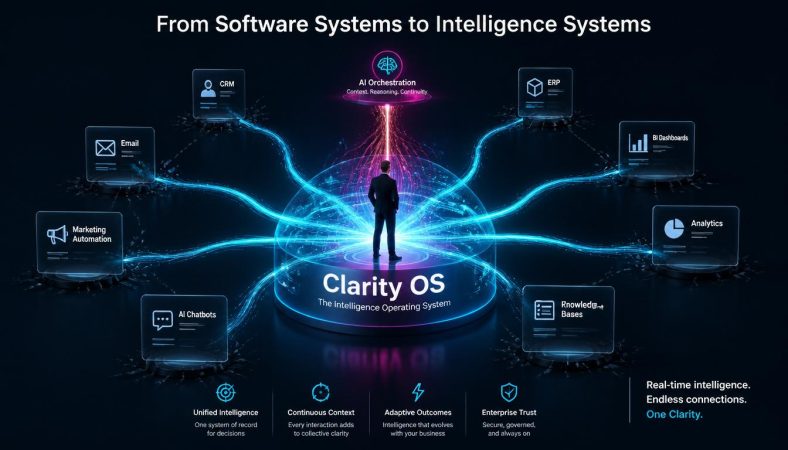
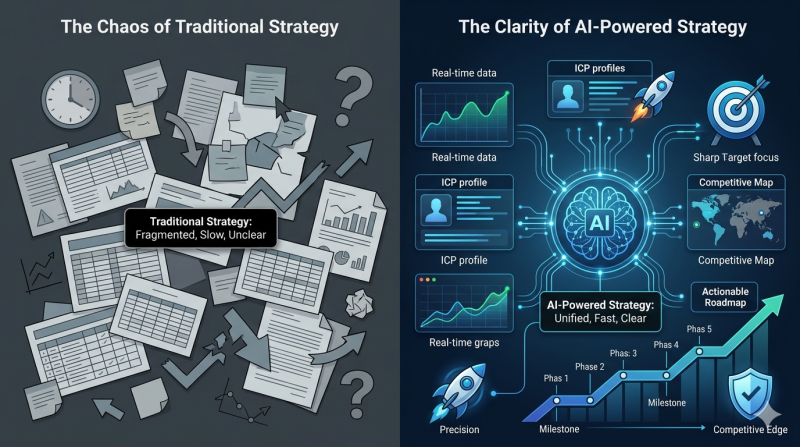
When your CRM describes your offer one way, your website describes it another, and your sales team describes it a third way — the prospect trusts none of them. Your message fragments across every tool you use.
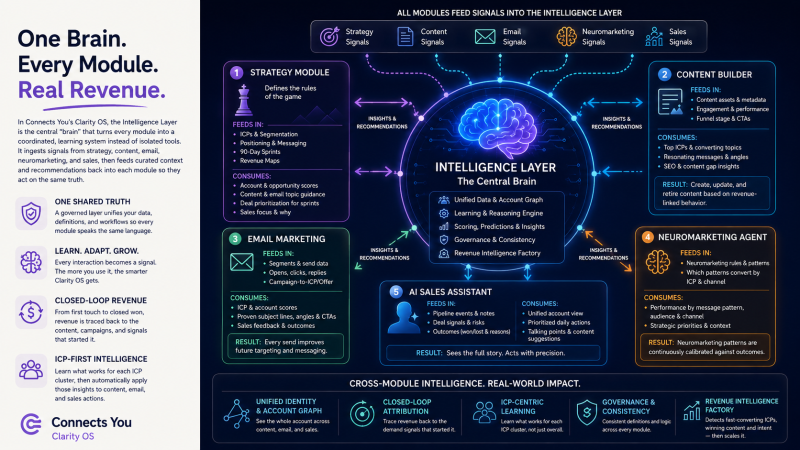
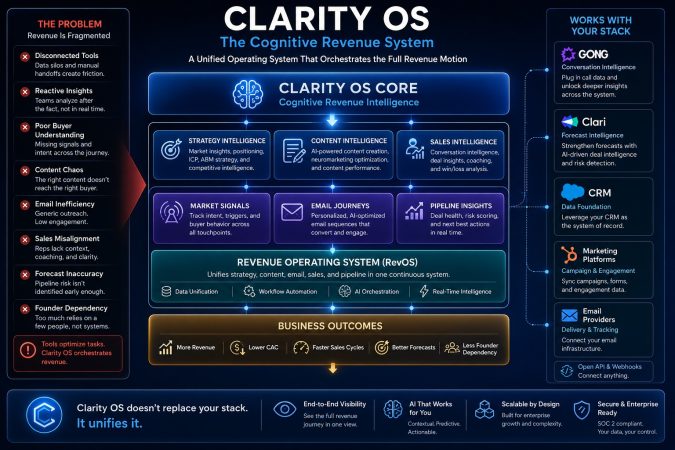
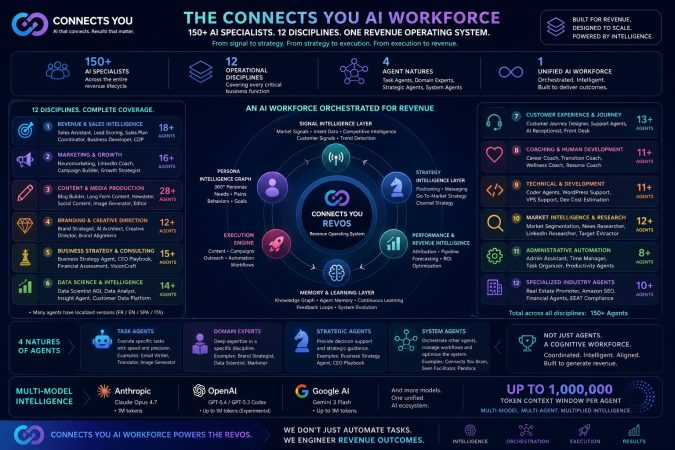
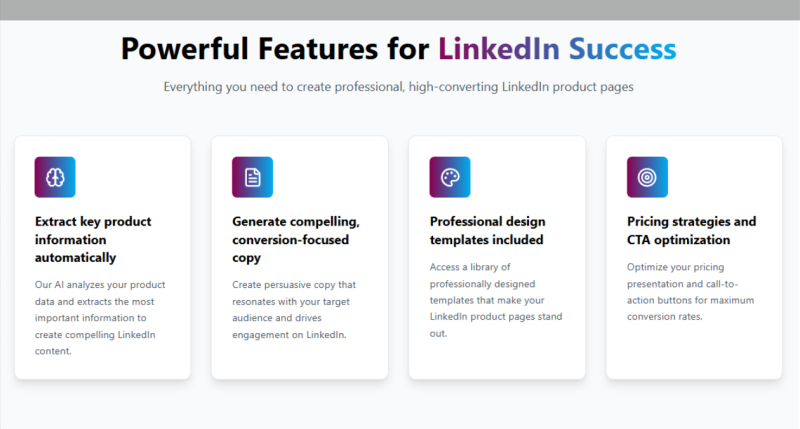
Clarity OS solves this structurally. The Content Engine keeps one clear message — your value proposition, your core offer, your differentiation — synchronized across your CRM, your website, your email campaigns, and your sales enablement tools. When your team pulls up a prospect record, they see the same message your marketing published. When your AI assistant drafts an email, it pulls from the same source.
One message. One system. Zero fragmentation. That is how clarity becomes operational — not just a nice idea, but something your entire revenue engine runs on.
Explore the Clarity OS Content Engine →
“Funny how we blame AI for being confused when our business description isn’t much clearer.”
❓ ONE QUESTION
If I asked three people in your company to describe what your business does in one sentence — would I get the same answer from all three?